

RheinGanga Global
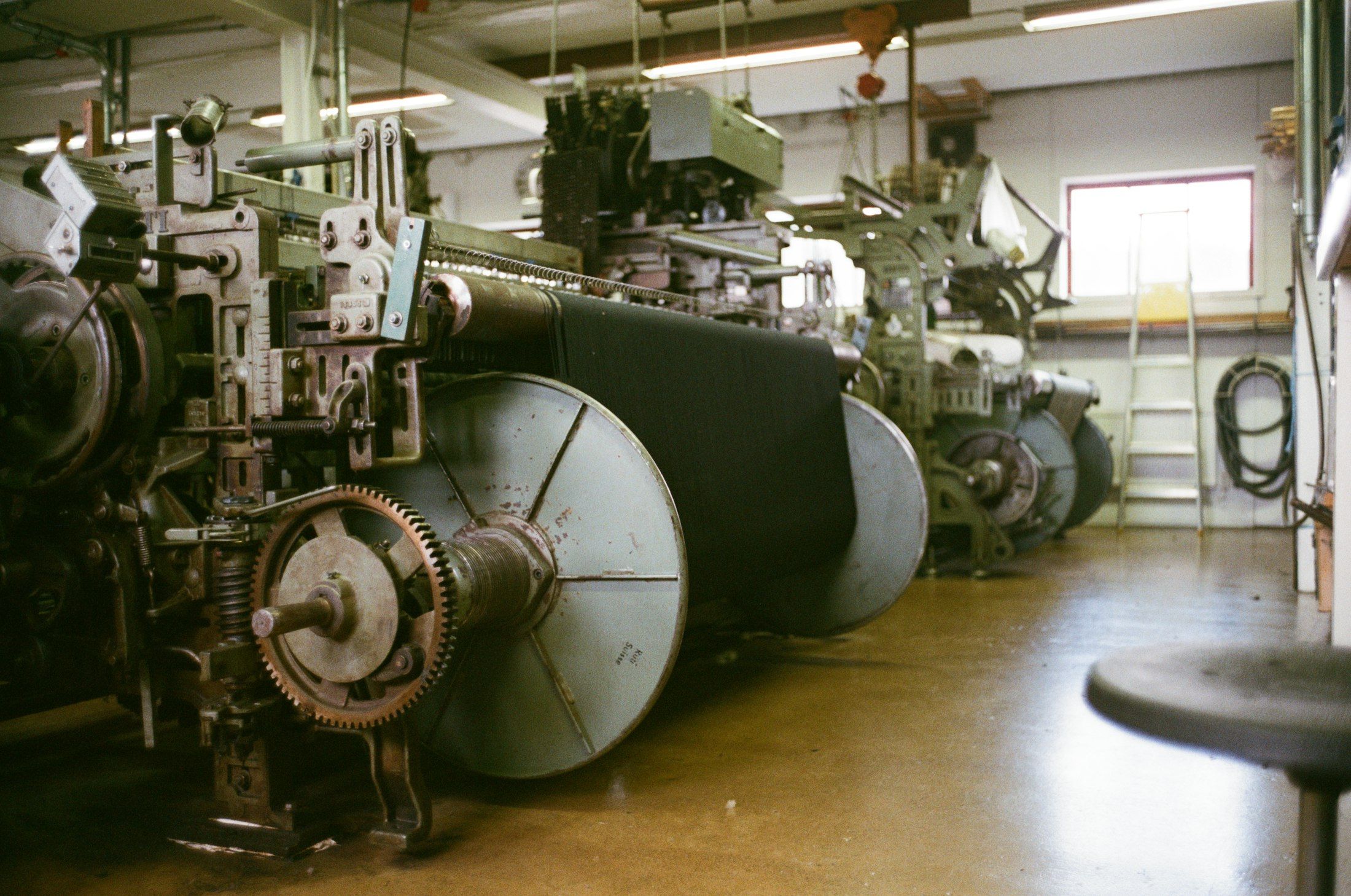
A row of industrial weaving looms in a textile workshop

Insights

Notes from the India-Europe corridor

Practical observations on sourcing, specifications and market access, written for buyers, suppliers and technology companies on both sides.

Sourcing

Why supplier qualification decides India sourcing

Matchmaking creates access. Qualification and execution create a supply base.
Tall warehouse shelving filled with cartons

German buyers already source in India through structured programmes. The Purchasing Initiative India, organised by the German purchasing association BME together with AHK India and the OAV on behalf of the German Federal Ministry for Economic Affairs, has brought German buying companies and Indian suppliers together in several editions since 2024.

These programmes solve the access problem well. A buyer can meet a large number of suppliers in a few weeks. They do not answer the next question: which of these suppliers can hold a tolerance, pass an audit and ship on time, order after order?

That question is answered by method. We screen registration, capability and export record; assess the factory, its machinery and quality system; produce and inspect a first article; verify certificates and dimensional results; and write the result down as a scorecard with a clear recommendation.

The point is not bureaucracy. A documented qualification lets a purchasing team defend its supplier decision internally, and it gives the supplier a precise list of what to improve. Both sides start the relationship with the same picture.

Materials

Writing a yarn specification a mill can quote against

An example from our current sourcing work on technical jute yarns.

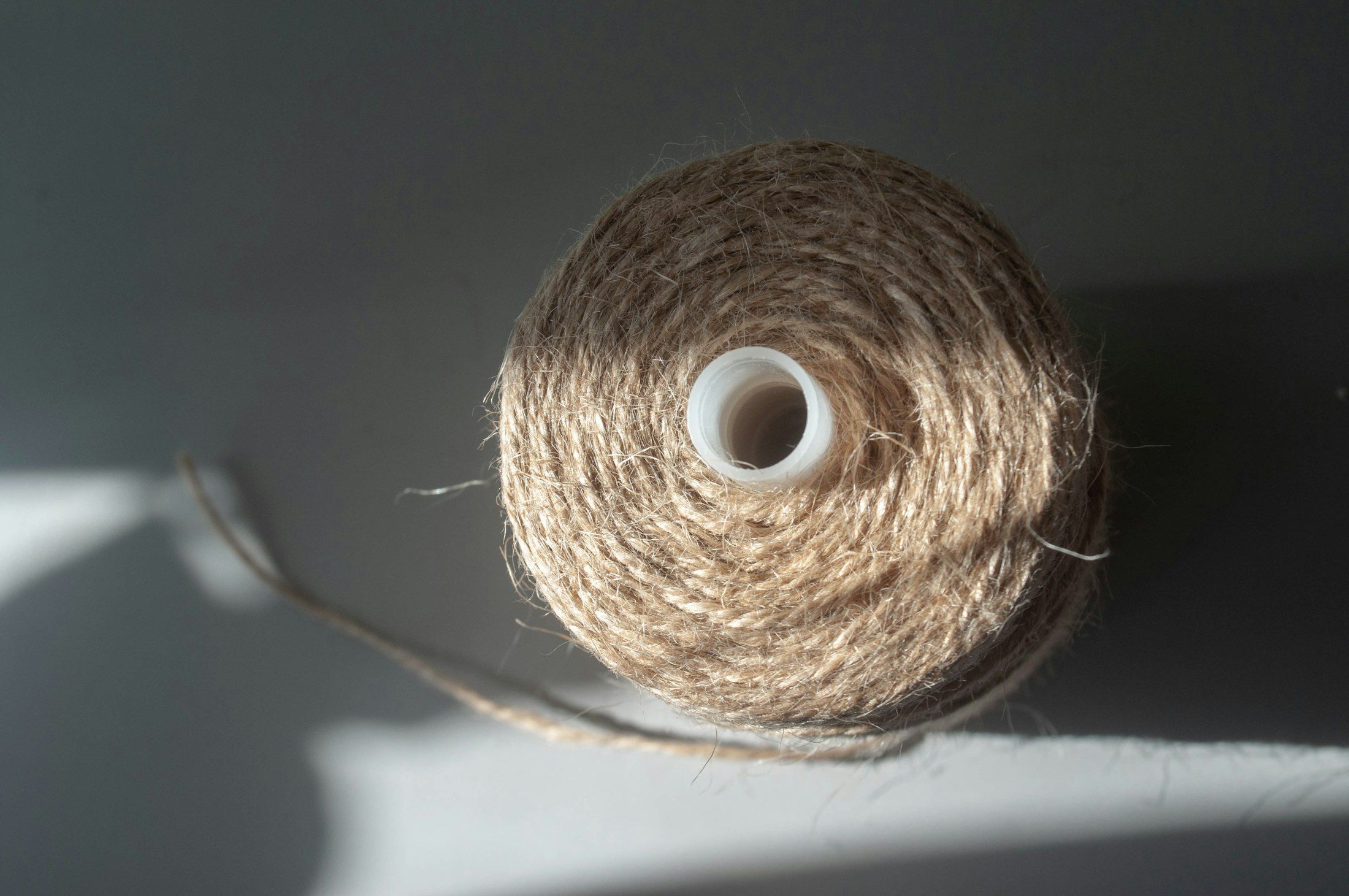
Close-up of a twine spool of natural fibre

European composite processors are looking at jute as a cost-effective natural-fibre reinforcement alongside flax and hemp. India has one of the largest jute industries in the world. On paper, the match is obvious.

In practice, an enquiry for 'jute yarn' produces quotations that cannot be compared. Mills differ in linear density, ply construction, twist, batching oil and package format, and every one of these affects processing and laminate properties.

So we translate the application need into parameters before anyone quotes: 100 % natural and undyed fibre; linear densities of around 700, 875 and 1,050 tex and heavier grades; ply construction and twist; breaking force, tenacity and elongation at break; moisture content; processing oil; cone format; and a defined sample quantity of about 5 to 10 kg per grade for independent evaluation.

Producers are screened against that list, samples are evaluated technically and commercially, and only then do processing trials begin. This is current sourcing activity and the evaluation is ongoing. It shows the principle we apply to every material: a requirement a mill can quote against and a laboratory can verify.

Trade policy

The EU-India trade agreement: what changes, and what does not yet

Status as of October 2026.

The Earth seen from space, showing day and night

The European Union and India concluded negotiations on their free trade agreement in New Delhi on 27 January 2026. In September 2026 the European Commission sent its proposals for signature and conclusion to the Council; signature is targeted for December 2026, followed by consent of the European Parliament and ratification in India.

According to the European Commission, the EU will remove tariffs on over 90 % of its tariff lines and India on 86 % of its lines, or 93 % by trade value; including partial cuts, liberalisation covers 99.3 % on the EU side and 96.6 % on the Indian side. Until it enters into force, imports and exports follow today's tariff and customs rules. No date for entry into force has been confirmed.

What has changed already is direction and certainty, and that is exactly when supply bases get built. Companies that qualify suppliers and partners now will be ready when tariff effects begin. Those that wait will start the same work later, under more competition.

We follow the process closely and will update this note as it moves. For a specific product, the relevant tariff line and rules of origin need to be checked individually.

Sources: Council of the EU, 'EU-India trade relations'; European Parliament Legislative Train, 'EU-India FTA'; European Commission statement of 11 September 2026; European Commission, 'EU-India FTA: chapter-by-chapter summary'.

The Earth from space at night, with city lights across the continents

Facing one of these questions yourself?

Tell us about your situation. We will tell you what we would look at first.

Get in touch →